

 Русский
 Deutsch
 中文
中文 Español
 Türkçe
"Am I Bi Enough?" Debunking Myths About Bisexual Men
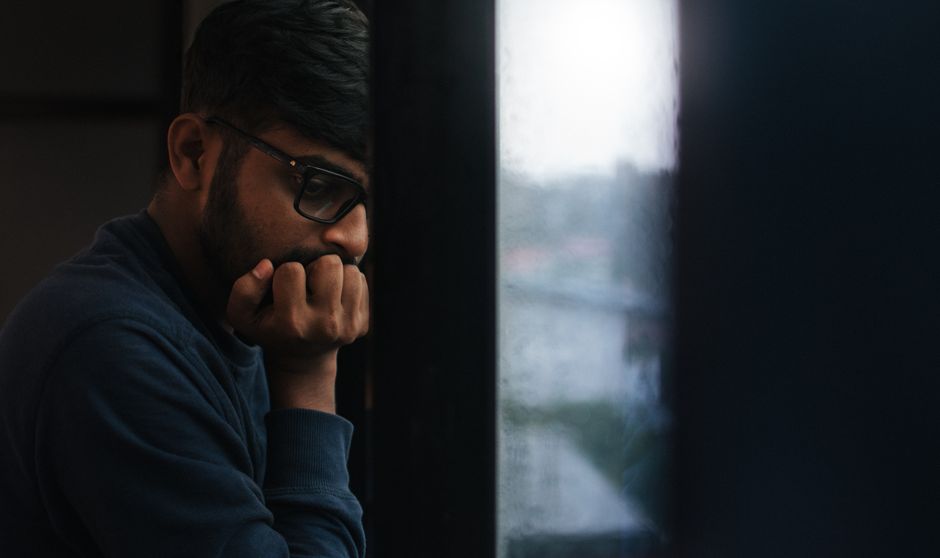
You're dating a girl, and everything seems fine. But inside, there's a nagging doubt: "Am I really bisexual if I'm with her?" Sound familiar? If so, you're not alone. Many bi men feel they constantly have to prove something, especially in a world where bisexuality is often seen as "half gay" or "just a phase."
Why You Feel Like You're "Not Bi Enough"
This is called impostor syndrome, and it's very common among bi people. We're told from all sides: to count as bi, you need to date different genders, preferably simultaneously or in a strict order. If you're in a relationship with a woman—you're "just straight." If with a man—"just gay." And if with no one—"you're just confused." But bisexuality is not an action; it's your identity. Your orientation doesn't depend on who you're currently in bed with or in a relationship with.
The Most Popular Myths About Bi Men—and What's True
Myth #1: "Coming out will ruin your relationship." Many fear telling their partner about their bisexuality, thinking it's the end. But actually, as practice shows, an honest conversation can strengthen trust. Your partner is likely to appreciate that you opened up rather than keeping it a secret. Relationships deepen when you can be yourself.
Myth #2: "Bi men are gay men who are afraid to admit it." This is classic biphobia. People try to force us into an "either/or" box, but human sexuality is far more complex. Being bi means being attracted to people of more than one gender, and that doesn't make you "half gay" or "gay in denial."
Myth #3: "You just want to be special / it's trendy." If it were trendy, why endure all these stereotypes and misunderstanding? People don't choose their orientation for a trend—it's part of who they are.
How to Stop Doubting Yourself
First, remember: your bisexuality is real, even if you've never been in a relationship with someone of the same gender. Orientation is about your feelings, not your track record. Second, try to surround yourself with people who understand you. This could be friends, supportive communities, or even online groups. And finally, if you feel weighed down by others' biphobia, remember: you don't owe anyone an explanation. Your life is yours, and only you decide how to live it.
What to Do If Doubts Persist
If you feel you can't handle these thoughts on your own, seek support. A psychologist or counselor familiar with LGBTQ issues can help you sort through your feelings. But above all, be patient with yourself. Self-acceptance is a journey, and you're not alone on it.
This material is for information only and does not replace a consultation with a doctor.
Original material: Hi, Bi Guy: Welcome to Our Hit Series for Bi Guys! — Scarleteen