

 Русский
 Deutsch
 中文
中文 Español
 Türkçe
Pelvic Pain Changes Body Image: What the Research Shows
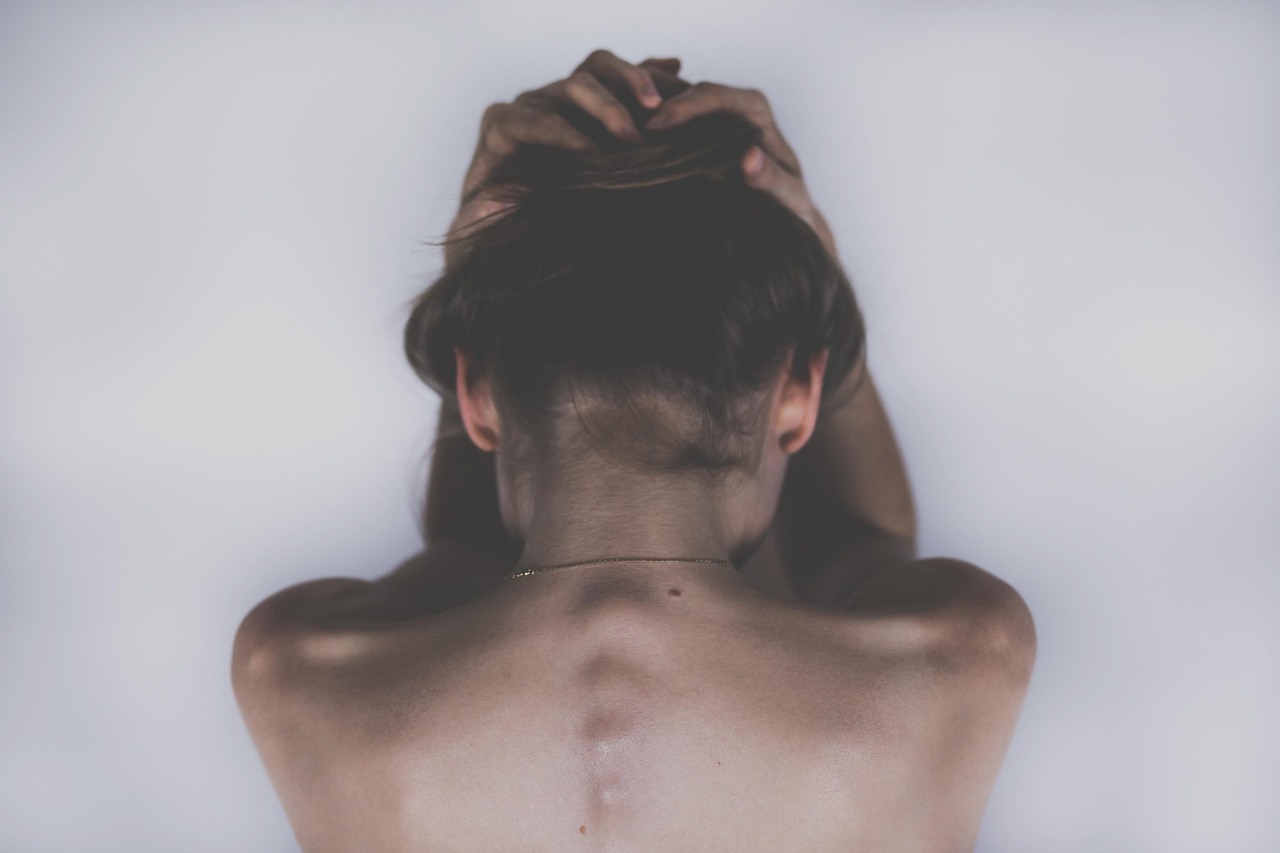
Have you ever caught yourself thinking that your body is letting you down? Especially when it hurts—every month, every day, without a break. Women with endometriosis and other chronic pelvic pain often feel like hostages to their own bodies. But it turns out, it's not just about physical discomfort. Researchers have found that these women have significantly worse body image than healthy women. And this isn't just sadness—it's something that can and should be worked on.
What Kind of Pain Is Pelvic Pain?
We're talking about conditions where pain in the lower abdomen or pelvic area persists for months and years. The most well-known example is endometriosis, where tissue similar to the uterine lining grows outside the uterus. But there are others, like vulvodynia, where pain occurs in the vulvar area without a clear cause. Together, these are called chronic pelvic pain. And it's not rare: millions of women worldwide live with this pain, often going years without a diagnosis.
What Did the Study Actually Show?
Researchers collected and analyzed 22 qualitative studies involving over 7,600 women. The key result: women with pelvic pain have significantly more body image issues than healthy women. The effect is moderate but consistent. In simple terms: if you have chronic pain, you likely rate your body worse than you would without pain. And this isn't just about appearance—it's about everything: weight, shape, and feeling "normal."
Why Does This Happen?
Researchers suggest it's due to the constant background: the pain reminds you of itself every day, and your body starts to be associated with suffering. You look in the mirror and see not yourself, but the source of pain. Plus, you can't do what you want: exercise, wear favorite clothes, or even just sit without discomfort. All of this hits self-esteem.
Researchers noted that body image is closely linked to anxiety, depression, loneliness, and sexual problems. If a woman is ashamed of her body or feels it's betraying her, it affects intimacy with her partner and overall mood. This creates a vicious cycle: pain worsens body image—poor body image increases stress—stress amplifies pain.
What's the Way Out?
One of the most interesting findings is the concept of "body functionality." This isn't about how the body looks, but what it can do: breathe, move, hug, laugh. Researchers suggest that shifting focus from appearance to function can reduce the negative impact of pain. For example, instead of "my belly disfigures me," think "my body helps me get up every day and go to the doctor." Practicing gratitude for specific things your body does can be a first step.
Of course, this doesn't replace treatment. But if you live with chronic pain, try to notice how you talk about your body. And if you catch yourself constantly criticizing it, discuss this with a psychologist or in a support group. This isn't weakness—it's part of recovery. Especially since researchers admit that the quality of many studies is not yet ideal, and more research is needed with better questionnaires and long-term follow-up. But initial data is already promising: body image is not a life sentence; it can be changed.
What to Do Tomorrow?
If you have endometriosis or other pelvic pain, try a simple exercise: write down three things your body helps you do despite the pain. It can be anything—from hugging your child to doing work you love. Repeat this often. And remember: you're not alone, and it's not "all in your head." Body image issues in such women are real, and they can be changed.
This material is for information only and does not replace a consultation with a doctor.
Original material: Body image concerns in individuals with endometriosis and chronic pelvic pain conditions: A systematic review and meta-analysis. — U.S. National Library of Medicine