

 Русский
 Deutsch
 中文
中文 Español
 Türkçe
Why Antidepressants Can Kill Your Sex Drive—and How to Live With It
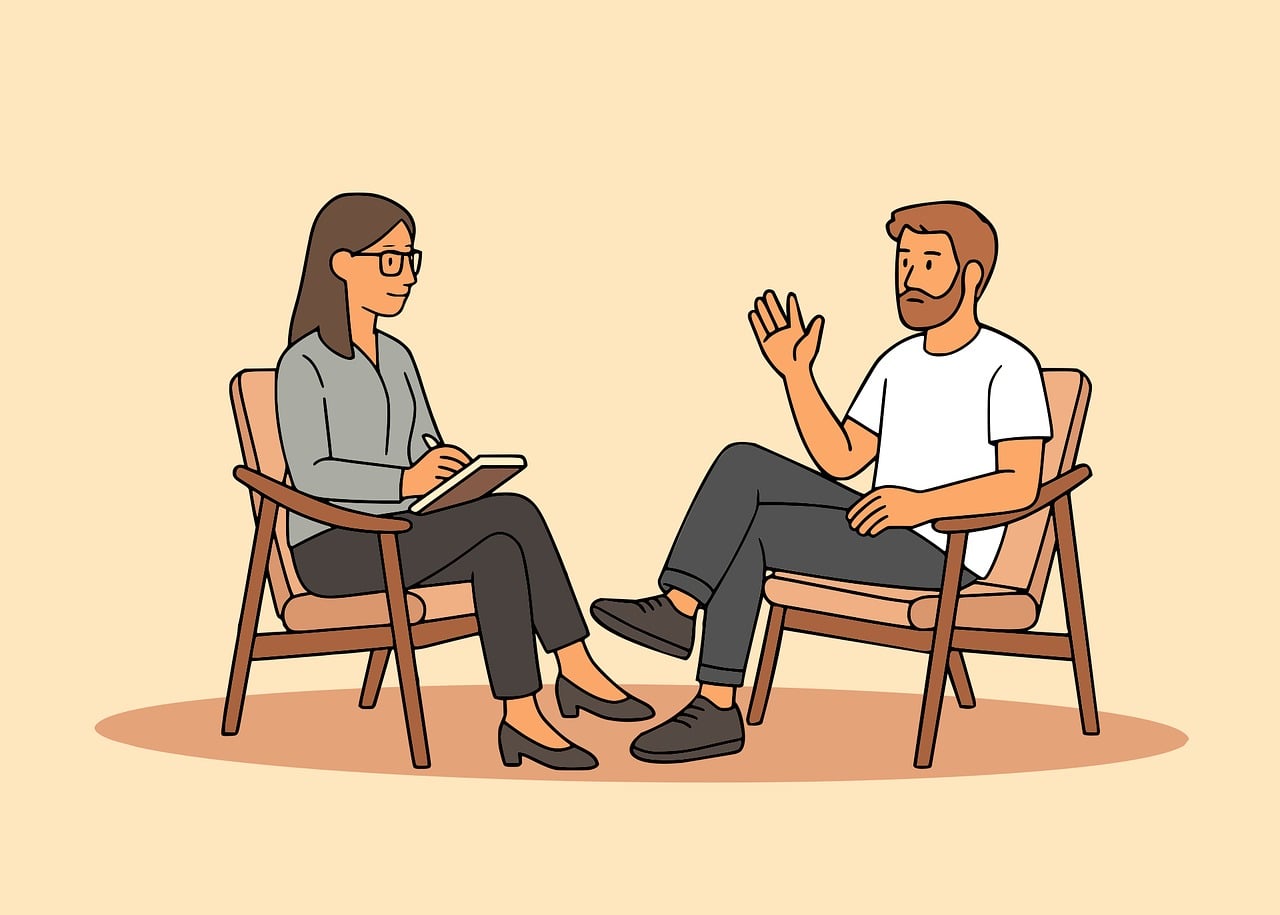
Have you ever wondered that a pill meant to restore the joy of life could take away something important? This isn't about a temporary "not in the mood"—it's a condition that lingers for years after you've stopped taking the medication. It's called post-SSRI sexual dysfunction (PSSD). Sounds complex, but simply put: after a course of antidepressants, some people experience a long-term—or even permanent—blunting of sexual sensation and desire. Doctors have only recently started talking about it, and what those affected feel is almost unknown.
Researchers in the UK sat down and spoke with ten people living with this condition. It's a small qualitative study, but it's a rare chance to hear real voices, not dry statistics. And the findings are sobering.
"They Just Didn't Listen": How Doctors Dismiss Patients
The first and most painful point—almost all participants said they felt rejected when they complained to doctors. They were told, "It'll pass," "It's all in your head," or simply not taken seriously. As a result, people were left alone with a problem that seemed invisible to medicine. Imagine being told your problem isn't serious while you feel like you're losing yourself.
"I Stopped Feeling Human": What Happens to Your Identity
The most powerful part of the stories is about changes in the self. People described not just a lower libido but emotional numbness. It was as if not only sexual sensations were blunted, but feelings in general. This is frightening and disorienting. One participant said, "It took away the most fundamental thing that makes me human." You'll agree, that's hard to overstate.
The changes also affect relationships. Partners don't understand what's happening, leading to arguments and guilt. The affected person withdraws, avoiding intimacy—not just physical but emotional too. And at work and with friends, it also becomes hard: constant anxiety about being "broken" drains your energy.
"How to Live With This Going Forward": Small Steps and Big Hopes
While there is no cure for PSSD yet, that doesn't mean you should give up. The study authors suggest not ignoring the problem: both doctors and patients should know this is possible. If you're facing something similar, try to find a specialist who listens rather than dismisses. For some, psychotherapy helps: it doesn't "fix" brain chemistry but teaches you to live with changes and find new ways of intimacy.
Some may feel better just knowing it's not "all in your head." This is a real medical fact, recognized by more and more doctors. The study emphasizes that further research is needed to find effective treatments. And if you're about to start antidepressants, don't hesitate to ask your doctor about possible consequences and what to do if sexual side effects persist after stopping.
This material is for information only and does not replace a consultation with a doctor.
Original material: "It's taken away the most fundamental things about being human": the lived experience and impact of post-SSRI sexual dysfunction. — U.S. National Library of Medicine