

 Русский
 Deutsch
 中文
中文 Español
 Türkçe
Microplastics and Sex: What Scientists Found in the Most Unexpected Place
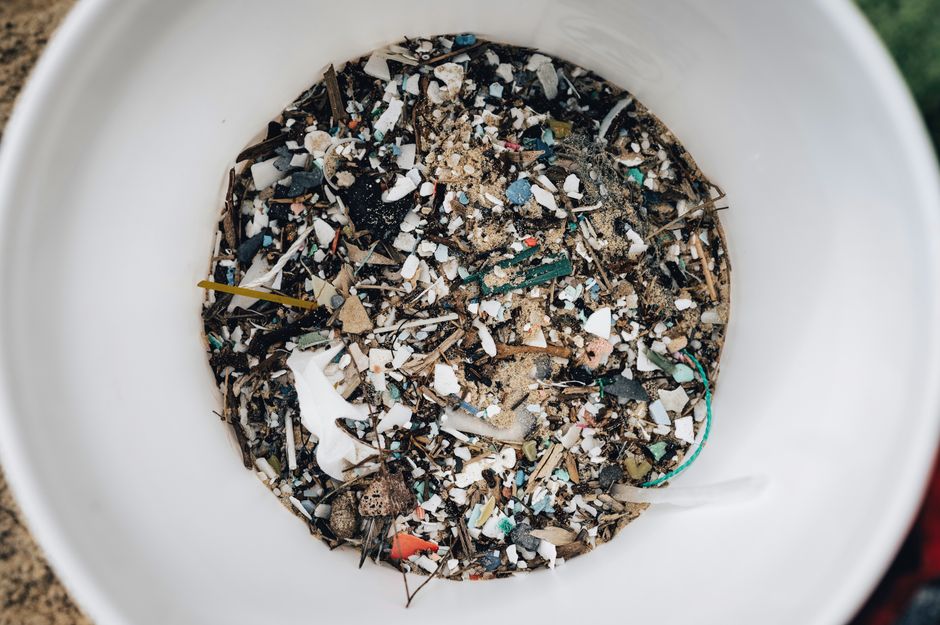
Have you ever thought that you swim in a pool with microplastics? Now imagine: these tiny particles can be not only in water but also in your body. And according to recent research, they have no place in the intimate area.
Where Microplastics Come From and Why They Are Everywhere
Microplastics are plastic fragments smaller than 5 millimeters. They form when plastic bottles, bags, and packaging degrade in the ocean or in landfills. From there, particles enter fish, salt, vegetables, and even the air we breathe. It's no longer surprising that microplastics are found in blood and lungs. But recently, scientists went further—and this concerns sex.
What Was Found in the Penis (and Why It Matters)
In one study, microplastics were found in the penises of men with severe erectile dysfunction. These men were preparing for implant surgery. How the particles got there remains a mystery. But the very fact that plastic has reached such a place is concerning.
Microplastics can disrupt hormonal balance, especially lowering testosterone levels, and impair endothelial function—the inner lining of blood vessels responsible for blood flow. And these two factors are the main building blocks of erection. So if scientists confirm that microplastics indeed affect these processes, they may contribute to erectile problems.
The Female Side: From Pain to Cancer
In women, microplastics don't stay idle either. They have been found in cervical mucus and vaginal secretions. They can disrupt the balance of estrogen and testosterone, affecting lubrication and arousal. Hence, pain during sex, or dyspareunia.
Another unpleasant point: microplastics are found in endometrial tissue and may influence the development of polyps and fibroids—common causes of pain and discomfort. Some studies also link microplastics to an increased risk of metastasis in breast cancer: they increase the size of cancer cells. However, they do not appear to affect the rate of division.
What to Do Right Now
Don't panic. Most studies so far are in animals, and in humans, it's only preliminary hints. But there are some things you can do today:
- Choose organic hygiene products without plastic ingredients.
- Try not to reheat food in plastic containers—particles migrate into food more easily.
- Drink water from glass or metal bottles.
Most importantly: if you are concerned about erection, pain during sex, or other intimate issues, do not delay a visit to the doctor. A specialist will help you figure it out and prescribe treatment, rather than fishing for plastic particles. Take care of yourself, and let microplastics remain only in the ocean.
This material is for information only and does not replace a consultation with a doctor.
Original material: How Do Microplastics Affect Sexual Health? — International Society for Sexual Medicine